
Swiftを使った開発のコツや最新の事例を求めて
世界中から開発者が集います。
日頃のSwiftの知識やスキルを披露し、協力しあうことを目的に、
2026年4月12日 - 14日の3日間開催します!
開催概要
| 開催日時 | 2026年4月12日(日)〜 14日(火) 4/12:ワークショップ 4/13〜14:カンファレンス |
| 場所 | 4/12:東京都立川市内 4/13〜14:立川ステージガーデン |
チケットの購入
スピーカー
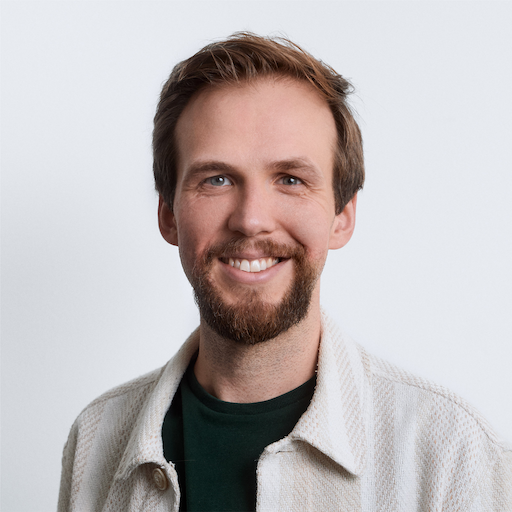
Klemens Strasser
Indie Developer
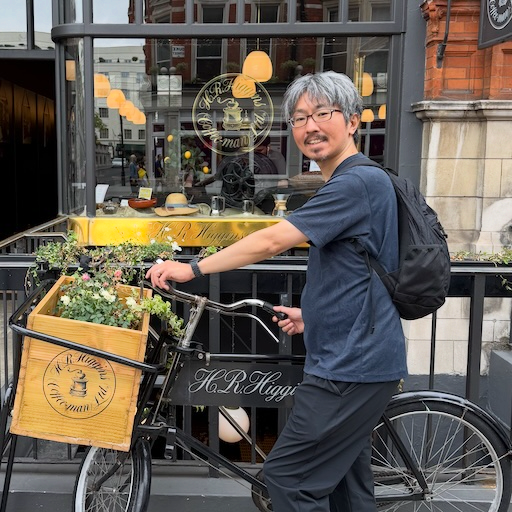
Yasuhiro Inami
Software Engineer at Goodnotes
Joannis Orlandos
OpenSource Maintainer / Co-Founder
Yuta Koshizawa
Chief Engineer at Qoncept
Natalia Panferova
iOS Developer, Tech Blogger, Book Author

Paul Hudson
Creator at Hacking with Swift

Nishant Bhasin
Engineering Manager at Mozilla

Daniel Steinberg
Storyteller
Adam Lyttle
Indie Developer
kishikawa katsumi
Software Engineer
Yusuke Kita
Software Engineer at newmo

Kazushi Oenoki
iOS and macOS App Developer

Satsuki Hashiba
Developer at LY Corporation
Akira Fukunaga
iOS App Developer at SmartNews
Ryo Tsuzukihashi
iOS App Developer at ZOZO

giginet(Kohki Miki)
Mobile DevOps Engineer at LY Corporation

freddi(Yuki Aki)
Engineer

matsuji
iOS App Developer
Lil Ossa
iOS App Developer at Classmethod

Shinichiro Oba
Programmer

Wataru Nishimoto
iOS App Engineer
ワークショップ
高性能スイフト
Paul Hudson
このワークショップでは、Swiftアプリのパフォーマンスを向上させるための様々なテクニックを学びます。シンプルなパターンを何度も繰り返します:Instrumentsを使ってパフォーマンスの問題を特定し、コードを修正して問題を解決し、再度Instrumentsを実行して問題が解決されたことを確認します。
サンプルプロジェクトを進める中で、参加者はInstrumentsの各機能を効果的に使う方法、SwiftとSwiftUIのコードが遅くなる原因、将来的により効率的なコードを書く方法、そしてパフォーマンスの問題が再発しないようにパフォーマンステストを書く方法を学びます。
高性能スイフト
Paul Hudson
このワークショップでは、Swiftアプリのパフォーマンスを向上させるための様々なテクニックを学びます。シンプルなパターンを何度も繰り返します:Instrumentsを使ってパフォーマンスの問題を特定し、コードを修正して問題を解決し、再度Instrumentsを実行して問題が解決されたことを確認します。
サンプルプロジェクトを進める中で、参加者はInstrumentsの各機能を効果的に使う方法、SwiftとSwiftUIのコードが遅くなる原因、将来的により効率的なコードを書く方法、そしてパフォーマンスの問題が再発しないようにパフォーマンステストを書く方法を学びます。



Foundation Modelsでアプリを強化する
Shun Takeishi, Alberto Ricci, Melvin Tan
参加者は、Foundation Modelsフレームワークを使用してAppleのオンデバイスLLMにアクセスするハンズオン体験を行います。本ワークショップでは、言語サポートを含むテキスト操作、ガイド付き生成、さらに、効果的なプロンプトの設計方法を探求します。そして、Foundation ModelsフレームワークをSpeechフレームワークなど機械学習のフレームワークと組み合わせる方法についても習得します。
Foundation Modelsでアプリを強化する
Shun Takeishi, Alberto Ricci, Melvin Tan
参加者は、Foundation Modelsフレームワークを使用してAppleのオンデバイスLLMにアクセスするハンズオン体験を行います。本ワークショップでは、言語サポートを含むテキスト操作、ガイド付き生成、さらに、効果的なプロンプトの設計方法を探求します。そして、Foundation ModelsフレームワークをSpeechフレームワークなど機械学習のフレームワークと組み合わせる方法についても習得します。
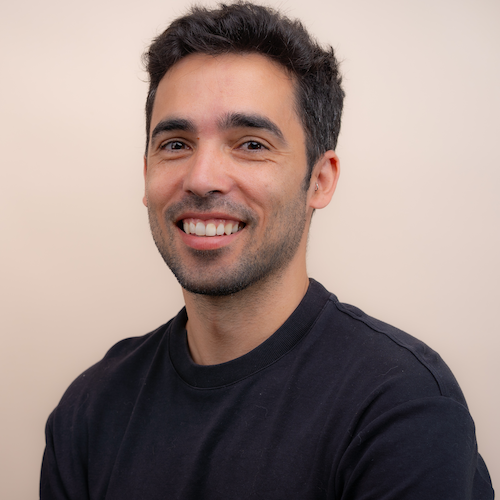
MetalとSwiftUIでビジュアルエフェクトをデザインする
Victor Baro
Metalシェーダーは、SwiftUIの組み込みモディファイアをはるかに超えたビジュアル表現を可能にしますが、複雑で低レベル、取っつきにくいと思われがちです。このワークショップは、グラフィックスやMetalの経験がなくても、SwiftUI開発者がMetalシェーダーを身近に、視覚的に、楽しく学べるように設計されています。
ワークショップは、MetalGraphというmacOSアプリを使ったビジュアルファーストなアプローチから始まります。これはノードベースのインターフェースとリアルタイムプレビューでMetalシェーダーを探求・設計するために特別に作られたアプリです。参加者は最初はMetalコードを書かずに、座標、色、アニメーション、インタラクションを視覚的に実験します。これにより、シェーダーがどのように機能し、シンプルなアイデアから複雑なエフェクトがどのように生まれるかについて直感的な理解を深めることができます。
概念に慣れたら、視覚的な実験から実際のSwiftUI + Metalコードへと移行します。参加者は、視覚的に構築したものをMetalシェーダー関数に変換する方法、colorEffectやdistortionEffectなどのモダンなAPIを使ってSwiftUIに統合する方法、SwiftUIのstate、ジェスチャー、時間を使ってシェーダーを駆動する方法を学びます。
プロジェクトのセットアップや定型コードに焦点を当てるのではなく、シェーダーで考える方法を重視します:新しいエフェクトを生み出す方法、素早くイテレーションする方法、パフォーマンスや座標系に関する一般的な落とし穴を避ける方法などです。
ワークショップの終わりまでに、参加者はSwiftUIにおけるMetalシェーダーの確固たるメンタルモデル、カスタムビジュアルエフェクトを構築する実践経験、そして自分のプロジェクトで実験を続ける自信を身につけます。
MetalとSwiftUIでビジュアルエフェクトをデザインする
Victor Baro
Metalシェーダーは、SwiftUIの組み込みモディファイアをはるかに超えたビジュアル表現を可能にしますが、複雑で低レベル、取っつきにくいと思われがちです。このワークショップは、グラフィックスやMetalの経験がなくても、SwiftUI開発者がMetalシェーダーを身近に、視覚的に、楽しく学べるように設計されています。
ワークショップは、MetalGraphというmacOSアプリを使ったビジュアルファーストなアプローチから始まります。これはノードベースのインターフェースとリアルタイムプレビューでMetalシェーダーを探求・設計するために特別に作られたアプリです。参加者は最初はMetalコードを書かずに、座標、色、アニメーション、インタラクションを視覚的に実験します。これにより、シェーダーがどのように機能し、シンプルなアイデアから複雑なエフェクトがどのように生まれるかについて直感的な理解を深めることができます。
概念に慣れたら、視覚的な実験から実際のSwiftUI + Metalコードへと移行します。参加者は、視覚的に構築したものをMetalシェーダー関数に変換する方法、colorEffectやdistortionEffectなどのモダンなAPIを使ってSwiftUIに統合する方法、SwiftUIのstate、ジェスチャー、時間を使ってシェーダーを駆動する方法を学びます。
プロジェクトのセットアップや定型コードに焦点を当てるのではなく、シェーダーで考える方法を重視します:新しいエフェクトを生み出す方法、素早くイテレーションする方法、パフォーマンスや座標系に関する一般的な落とし穴を避ける方法などです。
ワークショップの終わりまでに、参加者はSwiftUIにおけるMetalシェーダーの確固たるメンタルモデル、カスタムビジュアルエフェクトを構築する実践経験、そして自分のプロジェクトで実験を続ける自信を身につけます。


iOS Private Playgrounds
Vistar, Kazuki Nakashima
このワークショップは、iOSの「ブラックボックス」の中を覗くために、あえてApp Store審査ガイドラインを一旦脇に置く実験的なセッションです。通常の開発では禁止されているPrivate APIや非公開の動作を意図的に使用することで、UIKitやSwiftUIが内部でどのように動作しているかをより深く理解することを目指します。
ワークショップはハッカソン形式で進行し、参加者全員が1つのSwiftUIベースのリポジトリを共有し、協力して機能を追加していきます。
前半では、インストラクターがObjective-CランタイムやKey-Value Coding(KVC)などのPrivate APIを使用して、通常では不可能なUIカスタマイズを実現するライブコーディングデモンストレーションを行います。これらの変更は共有リポジトリにプッシュされ、参加者はそれをローカルにプルして出発点として実行します。
後半では、参加者自身がコードを書くハンズオン形式に移行します。実装したい特定の機能がある人は自分のアイデアに取り組み、それ以外の人はインストラクターが提案するいくつかのテーマから選ぶことができます。途中で中間結果を共有・議論し、参加者が開発を進めながら知見を交換できるようにします。最後に、全員が取り組んだハックと発見した動作を発表します。
このワークショップはApp Storeリリースを目的とした技術を学ぶものではありません。しかし、フレームワークの裏側で何が起きているかを理解し、その動作を推論できるようになることで、難しいバグを解決する能力が強化され、デバッグやパフォーマンス最適化のスキルが向上します。日常のアプリ開発を超えて、動的ランタイムの世界を通じてiOSの深層を一緒に探索しましょう。
iOS Private Playgrounds
Vistar, Kazuki Nakashima
このワークショップは、iOSの「ブラックボックス」の中を覗くために、あえてApp Store審査ガイドラインを一旦脇に置く実験的なセッションです。通常の開発では禁止されているPrivate APIや非公開の動作を意図的に使用することで、UIKitやSwiftUIが内部でどのように動作しているかをより深く理解することを目指します。
ワークショップはハッカソン形式で進行し、参加者全員が1つのSwiftUIベースのリポジトリを共有し、協力して機能を追加していきます。
前半では、インストラクターがObjective-CランタイムやKey-Value Coding(KVC)などのPrivate APIを使用して、通常では不可能なUIカスタマイズを実現するライブコーディングデモンストレーションを行います。これらの変更は共有リポジトリにプッシュされ、参加者はそれをローカルにプルして出発点として実行します。
後半では、参加者自身がコードを書くハンズオン形式に移行します。実装したい特定の機能がある人は自分のアイデアに取り組み、それ以外の人はインストラクターが提案するいくつかのテーマから選ぶことができます。途中で中間結果を共有・議論し、参加者が開発を進めながら知見を交換できるようにします。最後に、全員が取り組んだハックと発見した動作を発表します。
このワークショップはApp Storeリリースを目的とした技術を学ぶものではありません。しかし、フレームワークの裏側で何が起きているかを理解し、その動作を推論できるようになることで、難しいバグを解決する能力が強化され、デバッグやパフォーマンス最適化のスキルが向上します。日常のアプリ開発を超えて、動的ランタイムの世界を通じてiOSの深層を一緒に探索しましょう。
アプリへの道はApp Intentsで舗装されている
Daniel Steinberg
ユーザーがアプリを開かなくても、アプリが提供するあらゆる機能をより素早く発見し、アクセスできるようにする方法を紹介します。テンポよく進む本セッションでは、App Intentsを活用して、ショートカット、Spotlight、Siri、ウィジェット、コントロールを通じてアプリの機能をシステムに公開する方法と、その理由を解説します。App Intentsは、アプリがシステムとどのように連携すべきかというAppleの設計思想において、明確に中核を担う存在です。
アプリへの道はApp Intentsで舗装されている
Daniel Steinberg
ユーザーがアプリを開かなくても、アプリが提供するあらゆる機能をより素早く発見し、アクセスできるようにする方法を紹介します。テンポよく進む本セッションでは、App Intentsを活用して、ショートカット、Spotlight、Siri、ウィジェット、コントロールを通じてアプリの機能をシステムに公開する方法と、その理由を解説します。App Intentsは、アプリがシステムとどのように連携すべきかというAppleの設計思想において、明確に中核を担う存在です。
タイムテーブル
1日目
10:00 |
|
高性能スイフト
|
10:00 |
|
Foundation Modelsでアプリを強化する
|
13:30 |
|
MetalとSwiftUIでビジュアルエフェクトをデザインする
|
13:30 |
|
iOS Private Playgrounds
|
13:30 |
|
アプリへの道はApp Intentsで舗装されている
|
2日目
08:00 〜 09:00 |
 |
🏃Run & Walk the Park
|
09:30 〜 11:30 |
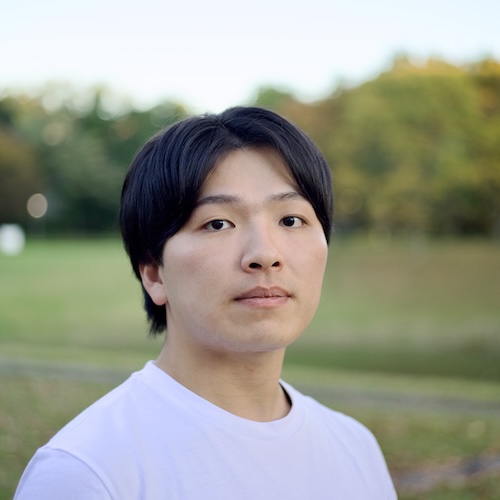


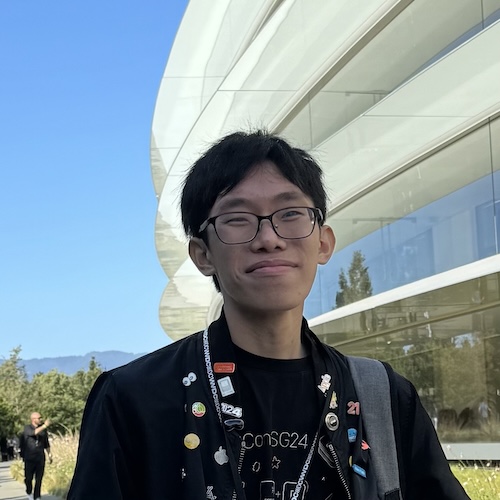
|
#SwiftStudentsCafe: 際立つアプリを設計しよう
|
10:00 〜 12:00 |
|
🌸お花見
|
13:00 |
|
受付
|
13:30 |
|
オープニング
|
13:50 |
|
Appleの枠を超えるSwift:単一コードで5プラットフォーム対応
|
14:15 |
|
⚡️Liquid Glassを磨き上げる:iOS 26の実践Tips
|
14:25 |
|
GeoJSON×SwiftUI:地図を“美しく”描くための技術
|
14:50 |
|
休憩
|
15:20 |
|
Swift Concurrency Type System
|
15:45 |
|
⚡️ふりがな Deep Dive!
|
15:55 |
|
翻訳を超えて:Foundation.Localeで理解するローカライズ
|
16:20 |
|
休憩
|
16:50 |
|
大規模オープンソース開発の現場:Firefox for iOSをどう作り続けるか
|
17:15 |
|
⚡️Genmojiと私たちはどう生きるのか
|
17:25 |
|
思いやりという技術
|
17:50 |
|
クロージング
|
18:30 |
|
パーティー
|
3日目
07:30 |
|
🏃Run & Walk the Park
|
09:00 |
|
開場
|
09:45 |
|
オープニング
|
10:00 |
|
Async Sequenceの隠された力
|
10:25 |
|
⚡️SwiftでFinal Cut Proをハックする
|
10:35 |
|
SwiftUIってなんでこうなるの?
|
11:00 |
|
☕️休憩
|
11:30 |
|
作って学ぶ、Embedded Swiftベアメタルプログラミング
|
11:55 |
|
⚡️0円から始めるEmbedded Swiftプログラミング
|
12:05 |
|
実践CRDT:Core DataとCloudKitによるリッチテキスト同期モデルの構築
|
12:30 |
|
ランチ
|
14:00 |
|
進化し続けるSwiftUI:内部から見たその変化
|
14:25 |
|
⚡️swiftcで🀄を打とう!
|
14:35 |
|
XCUITestコード生成をAIに任せる:構造化レイヤーで品質を担保する
|
15:00 |
|
休憩
|
15:30 |
|
Swiftの型システムはAIエージェントをどう導くのか
|
15:55 |
|
ゼロダウンタイム移行:機能開発を止めずに、巨大なレガシーiOSアプリをCocoaPodsからSPMとTuistへ
|
16:20 |
|
App Storeを前提としたオンボーディング設計
|
16:45 |
|
クロージング
|
スポンサー
PLATINUM
GOLD







SILVER


BRONZE
DIVERSITY AND INCLUSION
STUDENT
COMMUNITY



INDIVIDUAL














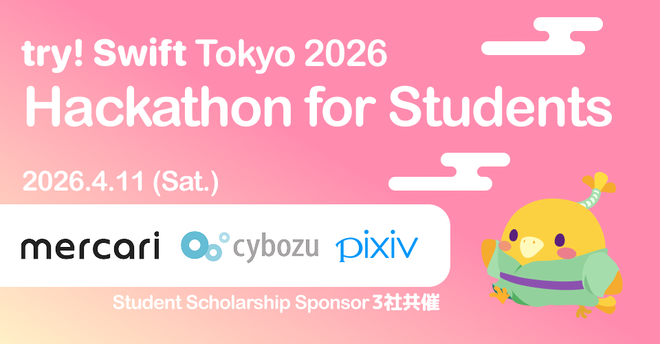
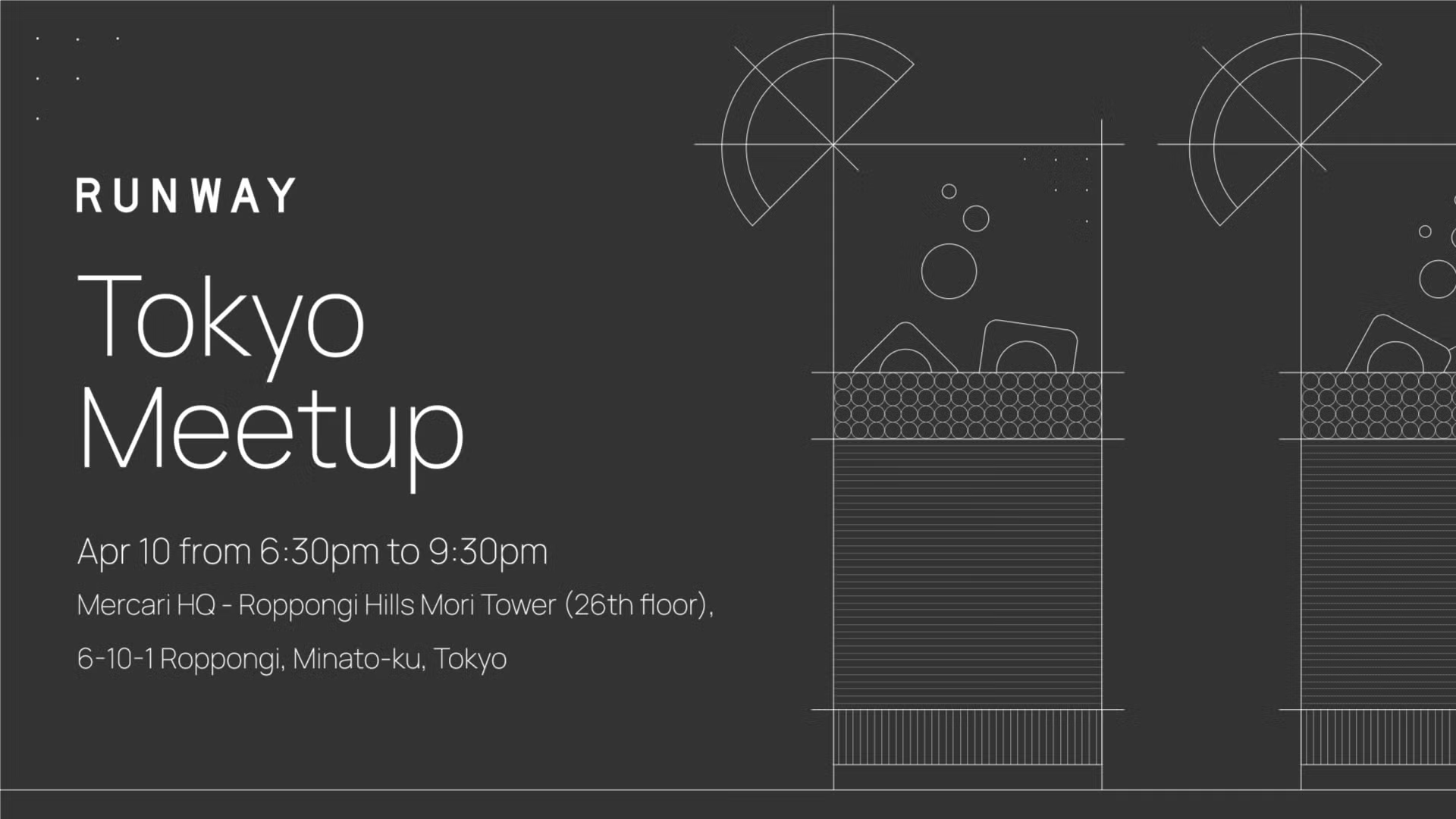
コミュニティイベント

司会者
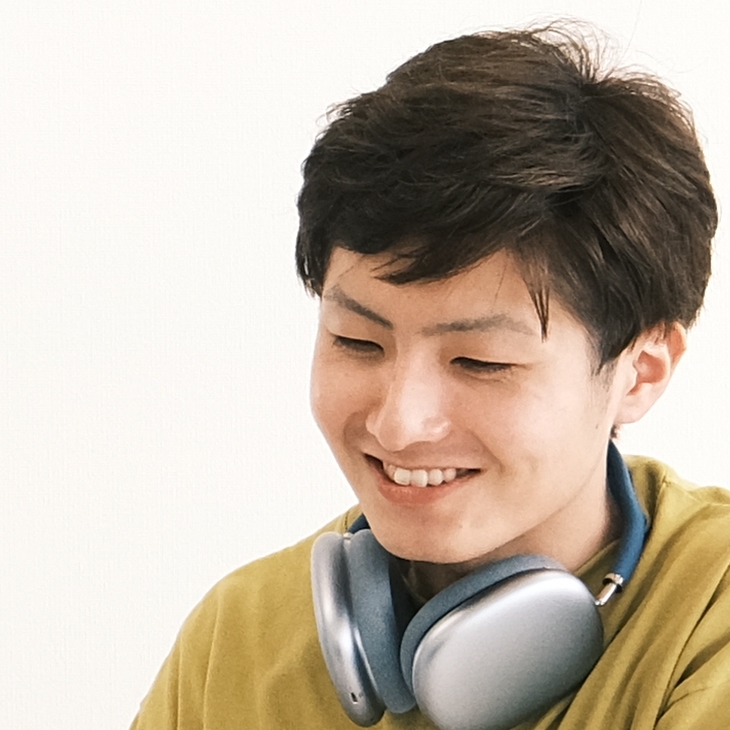
Akio Itaya
Tim Oliver
主催者
Daiki Matsudate
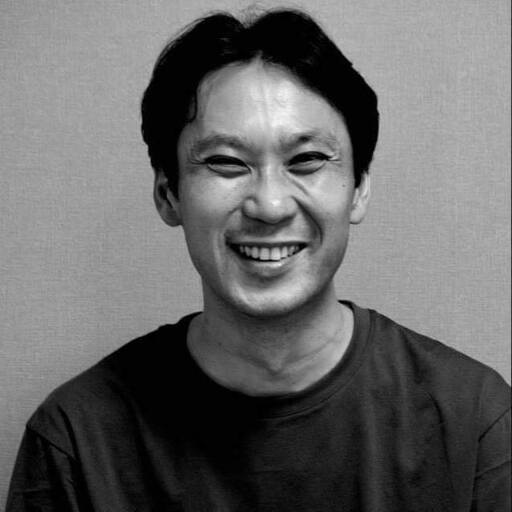
Yoichiro Sakurai

yucovin

Shingo Tamaki

Roku / Miki Yoshida
Akio Itaya
Yutaro Muta

Shoko Sato
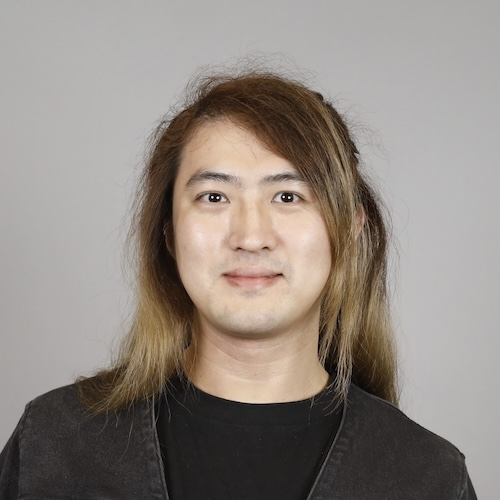
Shota Ebara

Kazuhiro Takami
Tim Oliver

Naoki Muramoto

sya-ri / Souya Ichikawa
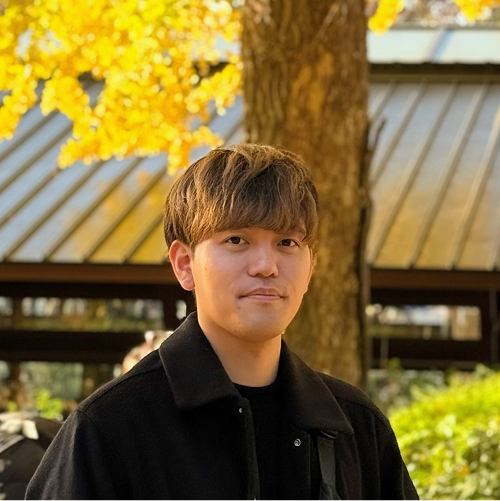
uetyo / Yuki Uehara